Yes, you can safely cut acrylic with a wood scroll saw, but it requires specific techniques and tools to prevent melting and achieve clean results. The key is to use appropriate blades, such as skip tooth or spiral blades, and operate the scroll saw at its slowest possible speed with a slow, consistent feed rate. This approach minimizes friction and heat buildup, which are the primary challenges when working with thermoplastic materials like acrylic.
A scroll saw is a specialized power tool used to cut intricate curves and joints in wood, metal, plastic, and other materials. It is similar to a band saw but uses a much finer blade that moves up and down in a reciprocating motion. This allows for extremely detailed and delicate cuts, making it ideal for marquetry, intarsia, puzzles, and fine fretwork. Its ability to create precise internal cuts by drilling a pilot hole and threading the blade through is a key advantage over other saws.
What is a Scroll Saw? (Definition and Applications)
At its core, a scroll saw is a woodworking machine designed for precision and delicate cuts. It features a thin, reciprocating blade that moves rapidly up and down, allowing users to create intricate patterns, curves, and internal cutouts that would be challenging or impossible with other tools. While traditionally a staple in woodshops for crafting puzzles, decorative inlays, and detailed fretwork, the scroll saw’s adaptability extends far beyond just wood. Many hobbyists and professionals also utilize it for working with plastics, soft metals, and composite materials, broadening its appeal and utility in various creative and fabrication projects. For see our scroll saws recommendations on this site.
Cutting Acrylic with a Wood Scroll Saw: The Possibility and Challenges
Many woodworkers wonder if their trusty scroll saw, primarily designed for wood, can handle synthetic materials like acrylic. The good news is that cutting acrylic with a wood scroll saw is entirely feasible and can yield excellent results, opening up new avenues for creative projects. However, it’s not without its specific challenges. Acrylic, being a thermoplastic, reacts differently to friction and heat than wood, which necessitates adjustments in technique and equipment to ensure a successful cut.
Can You Really Do It?
Absolutely, you can cut acrylic with a scroll saw. This capability allows you to incorporate transparent or colored plastic elements into your designs, from intricate overlays to functional components. The key to success lies in acknowledging the material’s properties and adapting your approach accordingly. With the right blade, speed settings, and a few clever tricks, your scroll saw can become a reliable tool for shaping acrylic sheets into various forms, expanding your crafting horizons significantly.
The Melting Problem
|
Our Picks for the Best Scroll Saw in 2026
As an Amazon Associate I earn from qualifying purchases.
|
||
| Num | Product | Action |
|---|---|---|
| 1 | Making Wooden People & Pets with Personality: 24 Easy Projects for the Scroll Saw (Fox Chapel Publishing) Full-Size Patterns for Beginners and Intermediate Scrollers to Create Handmade Gifts in Wood |

|
| 2 | FOXBC 5-Inch Scroll Saw Blade Pin End Replacement for Wen 3921 3923, Dremel, Craftsman, Penn State, Delta, Ryobi and All 15in.and 16in.Scroll Saw For Wood, High Carbon Steel - 48 Pack |
|
| 3 | BLACK+DECKER Jig Saw, 4.5 -Amp (BDEJS300C) |
|
| 4 | 2025 Scroll saw patterns: Scroll saw patterns: Inspirations for wood lovers: 164 patterns with Trees of Life, Hearts, Sailboats, animal family puzzles, landscapes... |
|
| 5 | Scrolling 101: Everything the Beginner Needs to Know (Fox Chapel Publishing) Scroll Saw Basics, Choosing Blades, Adapting Patterns, Using a Starter Saw, Sanding, and a Skill-Building Exercise Pattern |
|
| 6 | 3D Scroll Saw Projects: 35 Fun Compound-Cut Projects, More Than 150 Patterns (Fox Chapel Publishing) Scroll Saw Woodworking & Crafts Magazine Compilation - Ornaments, Home Décor, Chess Set, and More |
|
| 7 | WEN Adjustable Scroll Saw Stand for all WEN and DeWALT® Scroll Saws (MSA1621) |
|
| 8 | Shop Fox W1872 16" VS Scroll Saw with Foot Switch, LED, Miter Gauge, Rotary Shaft |
|
| 9 | Big Book of Scroll Saw Woodworking: More Than 60 Projects and Techniques for Fretwork, Intarsia, and Other Scroll Saw Crafts (Fox Chapel Publishing) Patterns for Beginners to Advanced Woodworkers |
|
| 10 | Scroll Saw Workbook, 3rd Edition: Learn to Master Your Scroll Saw in 25 Skill-Building Chapters (Fox Chapel Publishing) Ultimate Beginner's Guide with Projects to Hone Your Scrolling Skills |
|
The primary challenge when cutting acrylic with a scroll saw is the material’s tendency to melt and re-bond behind the blade. As the blade moves through the acrylic, friction generates heat. If this heat becomes excessive, the plastic will soften, melt, and then solidify immediately after the blade passes, effectively sealing the cut closed. This “welding” phenomenon can jam the blade, produce rough edges, and even cause the acrylic to crack or chip. Managing this heat buildup is paramount to achieving clean, open cuts and preventing damage to both your material and your blade.
Essential Tools and Materials for Cutting Acrylic
To successfully cut acrylic with your scroll saw, you’ll need more than just the saw itself. Specific blades, lubrication methods, and safety gear are crucial to ensure efficiency, safety, and a high-quality finish. Preparing the right tools and materials beforehand will make the cutting process smoother and help you avoid common pitfalls associated with working with plastics.
The Right Scroll Saw Blades
Choosing the correct blade is arguably the most critical factor for cutting acrylic. Standard woodworking blades often have too many teeth per inch or an aggressive tooth pattern that generates excessive heat. For acrylic, you’ll want blades designed to minimize friction and clear chips efficiently. Skip tooth blades are highly recommended as their spaced teeth reduce heat buildup. Spiral blades are another excellent option; their all-around cutting action helps prevent melting and allows for intricate turns without rotating the workpiece. Some users also find success with crown tooth blades, though their dual cutting action might dull faster. Experimentation with blade sizes, such as a #7 blade, can help you find what works best for your specific acrylic thickness and saw. Always ensure your blades are sharp, as dull blades are a major cause of melting.
Lubrication and Surface Protection
Minimizing friction is key to preventing acrylic from melting. A simple yet effective method is to apply plastic packing tape or clear masking tape to both sides of the acrylic sheet where the cut will occur. The adhesive on the tape acts as a lubricant, reducing friction and heat. This tape can help prevent chipping and provides a surface for securely attaching your cutting pattern. If your acrylic sheets come with a protective film, leaving it on can serve a similar lubricating and protective purpose. While liquid lubricants can be used, they require thorough cleaning of the saw afterward to prevent staining future wood projects.
Safety Gear
Safety should always be a top priority, especially when operating power tools. When cutting acrylic, the basic safety gear includes safety glasses to protect your eyes from flying debris and hearing protection, as scroll saws can be surprisingly loud during extended use. If using a butane torch for post-cutting refinement, ensure you work in a well-ventilated area to avoid inhaling fumes. Always keep your workspace clean and free of clutter to prevent accidents.
Step-by-Step Guide to Safely Cutting Acrylic
Cutting acrylic safely and effectively with your scroll saw involves a series of careful steps, from preparation to post-cutting refinement. Following this systematic approach will help you achieve clean cuts, minimize material waste, and ensure a smooth, enjoyable crafting experience.
Preparation
Before you even touch the blade to the acrylic, proper preparation is essential. Start by ensuring your acrylic sheet is clean and free of dust or debris, which can scratch the surface during cutting. If your acrylic has a protective film, leave it on; otherwise, apply plastic packing tape or clear masking tape to both sides of the cutting area. This acts as both a lubricant and a protective layer against chipping. Securely attach your pattern to the taped surface using spray adhesive or another suitable method. If your design requires internal cuts, drill appropriately sized pilot holes for your blade to pass through easily.
Setting Up Your Scroll Saw
The right scroll saw settings are crucial for cutting acrylic without melting. The most critical adjustment is the speed. You’ll want to reduce your scroll saw’s speed significantly, often to the slowest possible setting. High speeds generate too much friction and heat, leading to melting. Next, ensure your blade is properly tensioned. Too loose, and the blade will wander, causing imprecise cuts; too tight, and it increases the risk of blade breakage. Most scroll saws have a tensioning guide, but a good rule of thumb is that the blade should make a clear “ping” sound when plucked, without too much deflection.
The Cutting Process
With your material prepped and saw set up, it’s time to cut. Begin by slowly feeding the acrylic into the blade. A slow and consistent feed rate is vital; resist the urge to push the material too quickly, as this will only increase heat and cause melting. Allow the blade to do the work. As you cut, pay close attention to any signs of melting plastic re-bonding behind the blade. If you notice this happening, reduce your feed rate further or even slow down the saw speed if possible. For intricate curves, make small, deliberate movements, guiding the material smoothly. Avoid sudden jerks or twisting the acrylic, which can stress the blade and material, leading to breakage or cracking.
Post-Cutting Refinement
After cutting, the edges of your acrylic piece will likely appear frosted or slightly opaque. This is a normal result of the cutting process. To restore a clear, polished edge, you can use several methods. Fine-grit sandpaper, followed by progressively finer grits, can smooth out the rough texture. For a truly clear finish, a butane torch can be carefully passed over the frosted edge. The heat from the torch will slightly melt and re-flow the plastic, restoring its transparency and softening any sharp edges. When using a torch, exercise extreme caution and ensure you are in a well-ventilated area.
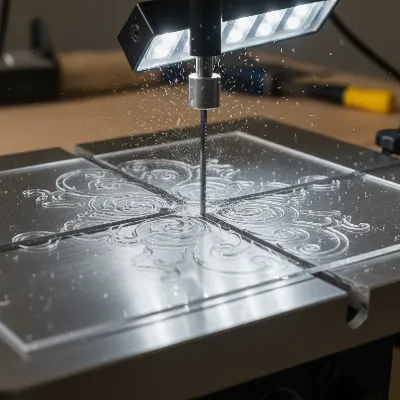 A scroll saw cutting an intricate pattern in a clear acrylic sheet, highlighting the blade and workpiece movement.
Common Issues and Troubleshooting
Even with the right setup, you might encounter some common issues when cutting acrylic with a scroll saw. Understanding these problems and knowing how to troubleshoot them will save you frustration and material.
Melting and Re-bonding
This is the most frequent problem. If acrylic is melting and re-bonding behind the blade, it’s almost always due to excessive heat.
- Solution: Reduce your scroll saw’s speed significantly. Ensure you are using a skip tooth or spiral blade designed for plastics. Slow down your feed rate, allowing the blade more time to clear chips. Re-apply tape to both sides of the acrylic, as the adhesive acts as a lubricant. Check if your blade is dull and replace it if necessary.
Chipping and Cracking
If the acrylic is chipping along the cut line or cracking, several factors could be at play.
- Solution: Ensure the acrylic is firmly supported on the scroll saw table, especially around the cutting area, to minimize vibration. Check your blade tension; a blade that is too loose can cause excessive vibration and chipping. Make sure you’re using the correct blade type for acrylic. Sometimes, very thin acrylic is more prone to cracking; consider a slightly thicker gauge if possible, or use a very fine-toothed blade and extreme care. Applying tape to both sides can also help prevent surface chipping.
Dull Blades
A dull blade is not only inefficient but also a major cause of heat buildup and poor cut quality when working with acrylic.
- Solution: If your cuts are becoming rough, requiring more force, or causing increased melting, replace your blade. Scroll saw blades are relatively inexpensive, and using a sharp blade makes a significant difference in both the ease of cutting and the quality of the finish. Always keep a stock of fresh blades on hand.
Safety First: Important Precautions
Working with any power tool requires strict adherence to safety protocols, and a scroll saw is no exception, especially when cutting materials like acrylic. Prioritizing safety not only prevents accidents but also ensures a smoother and more controlled working experience.
Always wear safety glasses to protect your eyes from flying plastic chips or potential blade fragments. Though scroll saws are generally quieter than other power saws, extended use can still affect hearing, so hearing protection is advisable. Ensure your workspace is well-ventilated, particularly if you are cutting a lot of plastic, as some acrylics can emit faint odors when heated. If you plan to use a butane torch for flame polishing, always do so in a highly ventilated area and away from flammable materials. Keep your fingers clear of the blade path and use a push stick for very small pieces if necessary. Never force the material through the blade; let the saw do the work.
Choosing the Right Scroll Saw for Acrylic Projects
While most wood scroll saws can cut acrylic, some features make a scroll saw better suited for the task. Understanding these can help you choose or optimize your current machine for plastic projects.
The most crucial feature for cutting acrylic is variable speed control. A scroll saw with a wide range of speed settings allows you to significantly slow down the blade, which is essential for preventing the acrylic from melting. Fixed-speed saws will be much more challenging to use effectively for this material. A sturdy cast iron table and minimal vibration will contribute to cleaner, more precise cuts, especially when working with intricate designs.
For Beginners
If you’re new to scroll sawing and want to experiment with acrylic, look for an entry-level scroll saw that offers variable speed. Simplicity of blade changing is also a plus, as you’ll likely be trying different blade types. Don’t feel the need to invest in the most expensive model right away; a good quality, variable-speed saw from a reputable brand will be more than sufficient to get started and learn the ropes.
For Professional Woodworkers
For professional woodworkers who frequently incorporate acrylic into their projects, investing in a high-end scroll saw with a robust motor, advanced vibration dampening, and a precise blade tensioning system can make a significant difference. Features like a foot pedal for speed control, an integrated dust blower (which can also help cool the cut), and a larger throat capacity for bigger pieces will enhance efficiency and precision for demanding acrylic work. The ability to quickly and easily swap blades is also a valuable time-saver.
Maintenance Tips for Your Scroll Saw After Cutting Acrylic
After cutting acrylic, it’s crucial to perform some basic maintenance on your scroll saw. Acrylic can leave behind a fine, powdery dust or even melted residue if not properly managed, which can affect the saw’s performance and longevity if left unchecked.
First, thoroughly clean your scroll saw immediately after use. Use a brush or compressed air to remove all acrylic dust from the table, blade area, and under the table. If any melted plastic has accumulated on the blade or around the blade holder, carefully remove it with a small pick or brush, ensuring not to damage the saw components. If you used any liquid lubricants, wipe down all affected parts of the saw to prevent residue from transferring to future wood projects. Regularly check and clean the blade guides, as plastic dust can accumulate there, affecting blade stability. Proper maintenance ensures your scroll saw remains in top condition for all your projects, whether wood or plastic.
 A close-up of a scroll saw being cleaned with a brush, removing sawdust and plastic residue.
Conclusion
Cutting acrylic with a wood scroll saw is not only possible but can also be a rewarding skill that expands your creative capabilities. While acrylic presents unique challenges compared to wood, such as its tendency to melt and re-bond, these can be effectively managed with the right approach. By selecting appropriate skip tooth or spiral blades, utilizing tape for lubrication and protection, and most importantly, operating your scroll saw at a significantly reduced speed and feed rate, you can achieve remarkably clean and precise cuts. to prioritize safety with proper eye and hearing protection, and maintain your saw diligently after each use. With practice and patience, you’ll soon be confidently incorporating beautiful acrylic elements into all your projects. What intricate acrylic designs will you create first with your newly adapted scroll saw skills?
Frequently Asked Questions
Can I use my standard scroll saw blades for cutting acrylic?
While you technically can, it’s generally not recommended. Standard woodworking blades can generate too much heat, causing the acrylic to melt and re-bond. It’s best to use skip tooth or spiral blades specifically designed to reduce friction and clear plastic chips more effectively for cleaner cuts.
What is the ideal speed setting for cutting acrylic on a scroll saw?
The ideal speed setting is typically the slowest possible speed your scroll saw can achieve. Reducing the blade speed significantly minimizes friction and heat buildup, which is crucial for preventing the acrylic from melting and welding itself back together behind the blade.
How do I prevent acrylic from melting and re-sealing during cutting?
To prevent melting, use a slow blade speed and a slow, consistent feed rate. Apply plastic packing tape to both sides of the acrylic along the cut line, as its adhesive acts as a lubricant. Also, ensure you are using a sharp skip tooth or spiral blade, as dull blades increase friction.
Can I cut thick acrylic sheets with my scroll saw?
The thickness of acrylic you can cut depends on your scroll saw’s power and blade capabilities. While thinner sheets (up to 1/4 inch or 6mm) are generally easier, some powerful scroll saws with the right blades can handle thicker acrylic. Always make test cuts on scrap material first to assess your saw’s performance.
What are the best ways to finish acrylic edges after scroll sawing?
After scroll sawing, acrylic edges will appear frosted. To achieve a clear, smooth finish, you can sand the edges with progressively finer grits of sandpaper (e.g., 220, 400, 600, 800, 1500). For a perfectly clear, polished edge, a brief and careful pass with a butane torch (flame polishing) can re-flow the plastic and restore its transparency.
Is it necessary to wear safety glasses when cutting acrylic with a scroll saw?
Yes, absolutely. Wearing safety glasses is essential when operating any power tool, including a scroll saw, especially when cutting materials like acrylic. Small plastic chips or fragments can fly off during the cutting process and pose a significant risk to your eyes.
Frequently Asked Questions
Can standard scroll saw blades be used for cutting acrylic?
No, standard woodworking blades are generally not recommended for cutting acrylic. They generate too much heat, which can cause the acrylic to melt and re-bond. Instead, use skip tooth or spiral blades specifically designed for plastics to reduce friction and clear chips effectively.
What is the best speed setting for cutting acrylic on a scroll saw?
The ideal speed setting for cutting acrylic is the slowest possible speed your scroll saw can achieve. This significantly reduces friction and heat buildup, which is crucial for preventing the acrylic from melting and welding itself back together behind the blade.
How can I prevent acrylic from melting and re-sealing during the cutting process?
To prevent melting, use a slow blade speed and a slow, consistent feed rate. Applying plastic packing tape to both sides of the acrylic along the cut line also helps, as its adhesive acts as a lubricant. Ensure your blade is sharp and of the correct type (skip tooth or spiral).
Is it possible to cut thick acrylic sheets using a scroll saw?
The ability to cut thick acrylic sheets depends on your scroll saw's power and blade capabilities. While thinner sheets (up to 1/4 inch or 6mm) are generally easier, some powerful scroll saws with appropriate blades can handle thicker acrylic. Always conduct test cuts on scrap material first.
What are effective methods for finishing acrylic edges after scroll sawing?
After scroll sawing, acrylic edges typically appear frosted. To achieve a clear, smooth finish, sand the edges with progressively finer grits of sandpaper, starting from around 220 grit and moving up to 1500 grit. For a perfectly clear, polished edge, a brief and careful pass with a butane torch (flame polishing) can re-flow the plastic and restore transparency.
Why is wearing safety glasses important when cutting acrylic with a scroll saw?
Wearing safety glasses is essential when operating any power tool, including a scroll saw, especially when cutting acrylic. Small plastic chips or fragments can fly off during the cutting process, posing a significant risk of eye injury. Always prioritize eye protection.

I’ve always wanted to try cutting acrylic but was worried about melting it. Your tip about using a skip tooth blade and the slowest speed made all the difference! My latest project, a custom display stand, came out perfectly with super clean edges. Thanks for the detailed advice.
I’m so glad I found this! I had a bunch of acrylic sheets from an old project and wanted to make some custom coasters. Following the advice on minimizing friction and heat buildup, especially with the slow feed, worked like a charm. No more cloudy, melted edges for me!
This guide was really helpful for my crafting. I used to struggle with jagged edges when trying to cut acrylic for my jewelry designs. The consistent feed rate suggestion was a game-changer, though it took a little practice to get it just right. Definitely recommend trying these techniques.
I tried the spiral blade as suggested for some intricate cuts on a thicker piece of acrylic. While it did prevent melting, I found the blade wandered a bit more than I expected, making it harder to stay precisely on my line. For very fine details, I might stick to thinner wood for now, but it’s good to know the option is there.