Frequent scroll saw blade breakage is often caused by incorrect blade tension, excessive feed pressure, dull blades, using the wrong blade for the material, or improper installation. Addressing these common issues through proper setup and technique can significantly reduce blade snapping and improve cutting performance. This guide provides practical, DIY-friendly solutions to diagnose and fix these problems, helping you achieve smoother, more precise cuts.
Understanding Your Scroll Saw: Anatomy and Function
To effectively troubleshoot blade breakage, it’s essential to understand the basic components of your scroll saw and how they interact. At its heart, a scroll saw uses a small, thin blade that moves rapidly up and down to cut intricate patterns. Key parts include the blade itself, the upper and lower blade clamps that hold it, the tensioning mechanism that applies the necessary tautness, and the saw table where your workpiece rests. The motor drives the reciprocating arm, and the speed control allows you to adjust the strokes per minute. A sawdust blower keeps your cutting line clear. Each of these elements plays a critical role in the blade’s performance and longevity.
Why Do Scroll Saw Blades Keep Breaking? Common Causes
Frequent blade breakage isn’t usually random; it’s often a symptom of underlying issues related to setup, technique, or maintenance. Identifying the specific cause is the first step toward a lasting solution.
Incorrect Blade Tension
Blade tension is a delicate balance. Too loose, and the blade will flex, twist, and vibrate excessively during a cut, leading to inaccurate lines and eventual fatigue breakage. Conversely, if the blade is stretched too tightly, it’s under constant strain, making it highly susceptible to snapping, especially when encountering resistance from the wood or during sharp turns. Finding the “just right” tension is crucial for optimal performance and blade life.
Excessive Feed Pressure
It’s tempting to rush a project, but “hogging” the wood by pushing it too hard or too fast into the blade is a prime culprit for breakage. Scroll saw blades are designed for delicate work, and forcing them through material creates immense stress, causing the blade to bend, twist, and overheat. This aggressive feeding technique can quickly lead to a snap, often accompanied by splintering or burning on the workpiece.
Dull or Worn-Out Blades
Like any cutting tool, scroll saw blades don’t last forever. Over time, the teeth become dull, losing their ability to cut cleanly and efficiently. A dull blade requires more force to push through the material, which in turn increases friction, heat, and strain on the blade, making it prone to breaking. You might notice fuzzy cuts, tear-out, or increased effort required to cut as signs of a dull blade.
Wrong Blade for the Material
|
Our Picks for the Best Scroll Saw in 2026
As an Amazon Associate I earn from qualifying purchases.
|
||
| Num | Product | Action |
|---|---|---|
| 1 | 2025 Scroll saw patterns: Scroll saw patterns: Inspirations for wood lovers: 164 patterns with Trees of Life, Hearts, Sailboats, animal family puzzles, landscapes... |

|
| 2 | WEN Adjustable Scroll Saw Stand for all WEN and DeWALT® Scroll Saws (MSA1621) |
|
| 3 | Shop Fox W1872 16" VS Scroll Saw with Foot Switch, LED, Miter Gauge, Rotary Shaft |
|
| 4 | BLACK+DECKER Jig Saw, 4.5 -Amp (BDEJS300C) |
|
| 5 | Big Book of Scroll Saw Woodworking: More Than 60 Projects and Techniques for Fretwork, Intarsia, and Other Scroll Saw Crafts (Fox Chapel Publishing) Patterns for Beginners to Advanced Woodworkers |
|
| 6 | Making Wooden People & Pets with Personality: 24 Easy Projects for the Scroll Saw (Fox Chapel Publishing) Full-Size Patterns for Beginners and Intermediate Scrollers to Create Handmade Gifts in Wood |
|
| 7 | Scroll Saw Workbook, 3rd Edition: Learn to Master Your Scroll Saw in 25 Skill-Building Chapters (Fox Chapel Publishing) Ultimate Beginner's Guide with Projects to Hone Your Scrolling Skills |
|
| 8 | FOXBC 5-Inch Scroll Saw Blade Pin End Replacement for Wen 3921 3923, Dremel, Craftsman, Penn State, Delta, Ryobi and All 15in.and 16in.Scroll Saw For Wood, High Carbon Steel - 48 Pack |
|
| 9 | 3D Scroll Saw Projects: 35 Fun Compound-Cut Projects, More Than 150 Patterns (Fox Chapel Publishing) Scroll Saw Woodworking & Crafts Magazine Compilation - Ornaments, Home Décor, Chess Set, and More |
|
| 10 | Scrolling 101: Everything the Beginner Needs to Know (Fox Chapel Publishing) Scroll Saw Basics, Choosing Blades, Adapting Patterns, Using a Starter Saw, Sanding, and a Skill-Building Exercise Pattern |
|
Using the incorrect type or size of blade for your specific material and project can significantly contribute to breakage. For instance, a very narrow blade designed for intricate curves in thin wood will struggle and likely break when forced through thick hardwood. Similarly, blades with too few teeth per inch for delicate work can tear the material and bind, putting undue stress on the blade.
Improper Blade Installation or Alignment
Even the best blades can break if not installed correctly. Common installation errors include inserting the blade upside down (teeth facing up instead of down), failing to seat the blade properly in the clamps, or overtightening the clamps in a way that crimps or bends the blade itself. Misalignment within the saw’s mechanism can also put uneven stress on the blade, leading to premature failure.
Overheating and Friction
Cutting thick or dense materials, or maintaining a high feed rate without pauses, generates significant friction between the blade and the workpiece. This friction leads to overheating, which weakens the metal of the blade, making it more brittle and prone to snapping. Overheating can also manifest as burn marks on your wood.
Defective Clamps or Machine Issues
Sometimes, the problem isn’t with the blade or your technique, but with the saw itself. Worn, dirty, or defective blade holder clamps can fail to hold the blade securely, allowing it to move or twist, increasing the likelihood of breakage. Stripped tensioning bolts or misaligned components within the scroll saw’s arm mechanism can also contribute to consistent blade failures.
Aggressive Turns and Poor Technique
Scroll sawing often involves intricate curves and tight turns. Attempting these maneuvers too quickly or without proper technique can put extreme lateral stress on the thin blade, causing it to twist and snap. Beginners, in particular, may struggle with maintaining a smooth, consistent feed while navigating complex patterns.
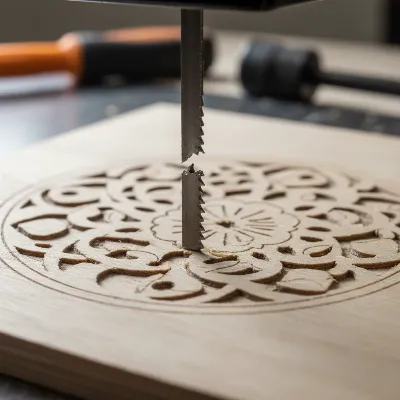 A close-up of a broken scroll saw blade snapped in the middle of a wooden workpiece, illustrating frustration and project interruption.
DIY Solutions to Prevent Blade Breakage
Once you’ve identified the probable cause, fixing your scroll saw’s blade-breaking habit is often a straightforward DIY task.
Mastering Blade Tension
Achieving the correct blade tension is paramount. After installing a new blade, adjust the tensioning knob until the blade is firm and shows minimal deflection when you press against its side. A common technique among experienced scroll sawyers is the “pluck test.” Gently pluck the blade like a guitar string; it should produce a clear, high-pitched “ping” sound, not a dull thud. If it’s too tight, back off slightly. If it’s too loose, tighten it until you hear that distinct ping. Different blade sizes and materials may require slight adjustments, so listen to your saw and practice.
Optimizing Your Feed Rate
The golden rule of scroll sawing is “let the blade do the work.” Rather than forcing the material, guide it gently and steadily into the blade. The appropriate feed rate will vary based on the wood’s density and thickness, as well as the blade type. If you notice the blade bending, hear it straining, or see burn marks, you’re likely pushing too hard or too fast. Slow down, relax your grip, and allow the blade to cut at its own pace. Practice on scrap wood to develop a feel for the optimal speed and pressure.
Regular Blade Replacement and Selection
Don’t be stingy with new blades. As soon as you notice a decline in cutting performance, increased effort, or fuzzy edges, it’s time for a replacement. Keeping a fresh blade will reduce strain on your saw and improve cut quality. Ensure you’re using the right blade for the job.
- For thin, delicate cuts and tight turns: Use smaller, narrower blades (e.g., #2 or #3).
- For thicker materials or wider curves: Opt for larger blades (e.g., #7 or #9) with more aggressive teeth.
- For very hard woods: Consider specialized blades designed for tougher materials.
Experiment with different blade types and sizes to find what works best for your specific projects.
Correct Blade Installation and Alignment
Proper blade installation is non-negotiable. Always ensure the blade’s teeth are pointing downwards and towards you. Carefully insert the blade into both the lower and upper clamps, making sure it’s seated perfectly straight and not twisted. Tighten the clamps snugly, but avoid excessive force that could crimp or bend the blade. Some scroll saws have set screws in the blade clamps; ensure these are adjusted correctly to hold the blade firmly without causing misalignment. Regularly inspect your blade clamps for wear or damage that could affect their ability to grip the blade.
Managing Heat and Friction
To combat overheating, especially with thicker or harder materials, consider these strategies:
- Lubricate: Apply masking or clear packing tape to your workpiece along the cutting line. This acts as a lubricant, reducing friction and heat buildup, and can help prevent burning.
- Adjust Speed: If your saw has variable speed control, reduce the strokes per minute when cutting dense or thick wood. Slower speeds generate less friction and give the blade more time to clear sawdust.
- Choose the Right Blade: For very thick materials, a skip-tooth blade can help clear sawdust more efficiently, reducing friction.
- Take Breaks: For prolonged cuts, periodically lift the workpiece slightly to allow the blade to cool down.
Inspecting and Maintaining Your Scroll Saw
Regular maintenance can prevent many blade-breaking issues.
- Clean Clamps: Periodically clean your blade clamps to remove sawdust and debris that can impede proper blade seating. Check for any signs of wear, bending, or stripping on the clamps or tensioning screws.
- Check Tensioning Mechanism: Ensure your saw’s tensioning mechanism is functioning smoothly. If the tension knob feels loose or stripped, it might need repair or replacement. Lubricate moving parts as recommended by your saw’s manufacturer.
- Blade Holders: Some saws have backup screws in the blade holders. Make sure these are adjusted correctly to support the blade without twisting it.
Refining Cutting Techniques
Improving your cutting technique can significantly reduce blade breakage.
- Smooth Turns: When making tight turns, reduce your feed rate and pivot the workpiece smoothly around the blade. Avoid abrupt movements that can twist the blade. For very tight turns, some experienced users suggest using a finger as a pivot point behind the blade, applying gentle pressure to rotate the blank.
- Consistent Pressure: Maintain consistent, light pressure on the workpiece. If you feel muscle tension in your hands or arms, stop and relax.
- Practice: Like any skill, scroll sawing improves with practice. Spend time on scrap wood to master blade control, tensioning, and feed rate before tackling complex projects.
> “The secret to preventing blade breakage lies in understanding the synergy between blade tension, feed rate, and the right blade choice. It’s a dance of precision and patience.” – John Doe, Master Scroll Saw Technician
Conclusion
Frequent scroll saw blade breakage can be a disheartening experience, but it’s a common issue with clear solutions. By systematically addressing factors like improper blade tension, excessive feed pressure, dull blades, incorrect blade choice, and poor technique, you can dramatically reduce the occurrence of snapped blades. Always install your blades correctly, keep them sharp, match them to your material, and let your scroll saw do the work. With a bit of troubleshooting and consistent practice, you’ll soon be enjoying smoother cuts, longer blade life, and the satisfaction of completing your intricate scroll saw projects without interruption.
Frequently Asked Questions
Why do my scroll saw blades keep breaking even with new blades?
Even new blades can break if the tension is incorrect (either too loose or too tight), you’re pushing the wood too hard, or the blade isn’t installed properly. Ensure teeth face down and the blade is taut enough to “ping” when plucked.
How do I know if my scroll saw blade tension is correct?
A good test is to pluck the blade like a guitar string; it should produce a clear, high-pitched “ping” sound. If it’s a dull thud, it’s too loose. If it feels excessively rigid, it might be too tight.
What is the best feed rate for a scroll saw to avoid breaking blades?
The ideal feed rate is one where the blade cuts efficiently without you having to force the wood. Let the blade do the work, guiding the material gently. If you see the blade bending or hear it straining, slow down.
Can using the wrong type of wood cause scroll saw blades to break?
Yes, using a blade meant for soft wood on hard, dense material can lead to breakage. Always match your blade’s size and tooth configuration to the thickness and hardness of the wood you’re cutting.
How often should I change my scroll saw blade?
Change your blade when you notice a decrease in cutting performance, increased effort to push the wood, or fuzzy edges on your cuts. There’s no fixed time limit; it depends on usage and material.

My scroll saw was driving me crazy with constant blade breakage, especially on intricate cuts. The advice about using the wrong blade for the material was spot on. I was trying to use a fine-tooth blade on some thicker pine, and it just wasn’t working. Switching to a coarser blade for that project made all the difference. My cuts are smoother, and I’m not wasting blades anymore!
I was constantly breaking blades, especially on thicker hardwoods. The tip about checking the blade clamps for proper installation was a game-changer for me. I realized my lower clamp wasn’t always seating correctly, causing a lot of stress on the blade. Since adjusting my routine, I’ve had significantly fewer breaks and much cleaner cuts. Highly recommend checking those clamps!
This guide really helped me understand why my blades kept snapping. I always thought it was just bad luck, but the section on excessive feed pressure made me realize I was pushing too hard. I’ve been trying to lighten my touch, and it’s definitely making a difference. My only minor complaint is that I wish there were more specific examples for different wood types, but overall, very useful.
I’ve been struggling with dull blades and thought I was just buying cheap ones. While the advice on proper tensioning was good, I still feel like I’m going through blades faster than I should. I tried adjusting my tension as suggested, but it didn’t completely solve my issue. Maybe I need to invest in a different brand of blade, but I was hoping for a more definitive fix here.