Excessive scroll saw vibration can be effectively resolved by addressing common issues such as inadequate mounting, incorrect blade tension, loose components, and improper blade installation. While some vibration is normal due to the blade’s rapid reciprocating motion, problematic shaking often stems from these factors. Implementing five quick fixes—securing the saw, optimizing blade tension, tightening fasteners, ensuring correct blade installation, and checking the counterweight—can significantly reduce unwanted vibration and restore precision to your scrollwork.
Understanding Scroll Saw Vibration: The Root Causes
Scroll saws are marvels of intricate cutting, capable of producing delicate patterns and sharp curves. Their operation relies on a slender blade moving rapidly in a reciprocating, up-and-down motion, often at speeds ranging from 500 to 2000 strokes per minute. This constant, high-speed movement is the inherent source of vibration in any scroll saw. It’s a fundamental aspect of how the tool functions to cut through materials efficiently, and some level of vibration is entirely normal and expected.
However, a significant increase in vibration beyond the usual hum can signal an underlying problem. Excessive vibration occurs when this inherent motion is amplified by other factors, turning a minor tremor into a disruptive shake. Common culprits include loose connections, improper adjustments, worn-out parts, or an unstable setup. Understanding that there’s a difference between normal operational vibration and problematic, amplified vibration is the first step in troubleshooting your scroll saw and restoring its precision.
The Top 5 Quick Fixes for Excessive Scroll Saw Vibration
When your scroll saw starts shaking more than usual, it’s typically a sign that one or more common issues need attention. Many of these problems can be resolved with straightforward adjustments or checks, often without needing specialized tools or extensive mechanical knowledge. By systematically addressing these five quick fixes, you can significantly reduce unwanted vibration and bring back the control and accuracy your scrollwork demands.
Fix 1: Secure Your Saw to a Sturdy Foundation
One of the most common and often overlooked causes of excessive scroll saw vibration is inadequate mounting. A scroll saw needs to be firmly anchored to a substantial, heavy workbench or stand to absorb and dissipate the forces generated by its reciprocating action. If your saw is merely sitting on a surface or loosely clamped, it will amplify the vibration, causing the entire setup to shake and move.
The ideal solution is to bolt your scroll saw directly to a solid, heavy workbench. This creates a unified, massive system that resists movement and dampens vibrations effectively. While some might suggest using rubber mats or anti-vibration pads between the saw and the bench, many experienced woodworkers argue that such materials can actually exacerbate vibration by allowing the saw to “float” and introducing more flex. Instead, prioritize a direct, rigid connection. If your workbench itself is lightweight or prone to wobbling, consider adding weight to its base, such as sandbags or concrete blocks, to further increase its stability. A heavy, stable foundation is paramount for minimizing scroll saw vibration.
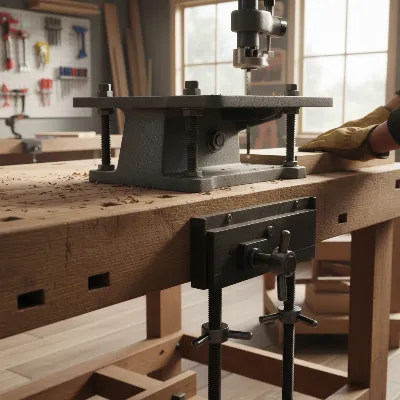 A scroll saw securely bolted to a heavy, sturdy wooden workbench, demonstrating stability and reduced vibration.
Fix 2: Optimize Blade Tension and Condition
|
Our Picks for the Best Scroll Saw in 2026
As an Amazon Associate I earn from qualifying purchases.
|
||
| Num | Product | Action |
|---|---|---|
| 1 | 3D Scroll Saw Projects: 35 Fun Compound-Cut Projects, More Than 150 Patterns (Fox Chapel Publishing) Scroll Saw Woodworking & Crafts Magazine Compilation - Ornaments, Home Décor, Chess Set, and More |

|
| 2 | Scrolling 101: Everything the Beginner Needs to Know (Fox Chapel Publishing) Scroll Saw Basics, Choosing Blades, Adapting Patterns, Using a Starter Saw, Sanding, and a Skill-Building Exercise Pattern |
|
| 3 | BLACK+DECKER Jig Saw, 4.5 -Amp (BDEJS300C) |
|
| 4 | Scroll Saw Workbook, 3rd Edition: Learn to Master Your Scroll Saw in 25 Skill-Building Chapters (Fox Chapel Publishing) Ultimate Beginner's Guide with Projects to Hone Your Scrolling Skills |
|
| 5 | Making Wooden People & Pets with Personality: 24 Easy Projects for the Scroll Saw (Fox Chapel Publishing) Full-Size Patterns for Beginners and Intermediate Scrollers to Create Handmade Gifts in Wood |
|
| 6 | 2025 Scroll saw patterns: Scroll saw patterns: Inspirations for wood lovers: 164 patterns with Trees of Life, Hearts, Sailboats, animal family puzzles, landscapes... |
|
| 7 | FOXBC 5-Inch Scroll Saw Blade Pin End Replacement for Wen 3921 3923, Dremel, Craftsman, Penn State, Delta, Ryobi and All 15in.and 16in.Scroll Saw For Wood, High Carbon Steel - 48 Pack |
|
| 8 | WEN Adjustable Scroll Saw Stand for all WEN and DeWALT® Scroll Saws (MSA1621) |
|
| 9 | Shop Fox W1872 16" VS Scroll Saw with Foot Switch, LED, Miter Gauge, Rotary Shaft |
|
| 10 | Big Book of Scroll Saw Woodworking: More Than 60 Projects and Techniques for Fretwork, Intarsia, and Other Scroll Saw Crafts (Fox Chapel Publishing) Patterns for Beginners to Advanced Woodworkers |
|
The blade is the heart of your scroll saw, and its tension is critical to smooth operation and clean cuts. Incorrect blade tension is a frequent contributor to excessive vibration. A blade that is too loose will flutter, vibrate wildly, and produce rough or inaccurate cuts. Conversely, a blade that is overly tight can put undue stress on the saw’s components, leading to increased vibration and even premature wear or breakage.
To check blade tension, a common method is to gently pluck the blade like a guitar string; it should produce a clear, medium-pitched tone. Many saws also have a tensioning knob or lever. Refer to your scroll saw’s manual for the manufacturer’s recommended tensioning procedure. When running, a properly tensioned blade should appear crisp, not blurry, during operation. Also, inspect your blade for any signs of damage, dullness, or being bent. A dull or damaged blade will struggle to cut, leading to increased effort, heat, and vibration from the saw.
Fix 3: Inspect for Loose Components and Tighten All Fasteners
Over time, the constant vibration of a scroll saw can loosen various fasteners and connections throughout the machine. These loose components can rattle independently or cause other parts to shift, significantly contributing to overall vibration. A thorough inspection for loose parts is a crucial troubleshooting step.
Begin by visually examining all accessible bolts, screws, and nuts on your scroll saw. Pay particular attention to the blade clamps (both upper and lower), the arms, the motor mounts, and any housing panels. Use appropriate wrenches or screwdrivers to gently snug up any fasteners that appear loose. Be careful not to overtighten, which can strip threads or damage components. Even a slightly loose bolt on a blade clamp can cause the blade to chatter and vibrate excessively. A regular check of these fasteners as part of your maintenance routine can prevent many vibration issues before they start.
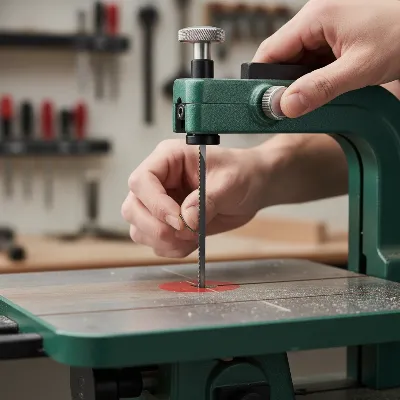 Close-up of a hand adjusting a scroll saw blade tension knob, highlighting proper blade setup for vibration reduction.
Fix 4: Ensure Correct Blade Installation and Alignment
The proper installation and alignment of your scroll saw blade are paramount for smooth, precise cutting and minimal vibration. A blade that is installed incorrectly can lead to erratic movement, poor cutting performance, and amplified shaking. This is particularly true if the blade is twisted or not perfectly perpendicular to the saw table.
When inserting a new blade, ensure that the teeth are pointing downwards towards the table, ready to cut on the downstroke. For pinless blades, confirm that both the upper and lower blade clamps are holding the blade securely and that the blade is straight, not twisted or “crabbing” within the clamps. A quick visual check with a small square against the blade and the table can help confirm it’s at a true 90-degree angle (unless you are intentionally bevel cutting). Misalignment forces the blade to work against itself, generating unnecessary friction and vibration. Always ensure you are using the correct blade type and size for the material you are cutting, as an unsuitable blade can also contribute to excessive vibration.
Fix 5: Check and Balance the Counterweight (If Applicable)
Many scroll saws incorporate a counterweight mechanism, typically located within the machine’s body, designed specifically to reduce the effects of the reciprocating motion and minimize vibration. This counterweight moves in opposition to the blade, creating a more balanced system. If your scroll saw has a counterweight and it’s missing, dislodged, or improperly balanced, you will undoubtedly experience increased vibration.
Consult your scroll saw’s manual to determine if your model uses a counterweight and how to access and inspect it. Ensure it is securely attached and moving freely as intended. If your saw lacks an internal counterweight or still vibrates excessively after other fixes, consider adding external mass. Placing heavy objects like sandbags, steel weights, or concrete blocks strategically on the saw’s base or the workbench directly beneath the saw can significantly help to dampen residual vibrations by increasing the overall inertia of the system.
Beyond the Quick Fixes: Advanced Troubleshooting
If the five quick fixes don’t fully resolve your scroll saw’s vibration issues, it might be time to examine more advanced troubleshooting. These situations often point to mechanical wear or issues within the saw’s internal drive system.
Addressing Motor and Drive System Issues
The motor and the components that translate its power to the blade arms are critical. Over time, parts like motor bearings, pulleys, belts, or the connecting rods (pitman arms) can wear out or become misaligned. Worn bearings can introduce play and chatter, while a stretched or damaged belt can cause uneven power transmission, leading to vibration. Similarly, if a pulley is out of round or a connecting rod has developed “slop” or excessive play, the rhythmic movement of the saw will become unbalanced, resulting in noticeable shaking. Diagnosing these issues often requires disassembling parts of the saw, and if you’re not comfortable with internal repairs, this might be a task best left to a qualified service technician.
Refining Your Cutting Technique
Sometimes, the vibration isn’t solely a mechanical issue but also related to how you operate the saw. Forcing the material through the blade too quickly, rather than letting the blade do the work at its own pace, can cause the blade to deflect and the saw to vibrate. An aggressive feed rate can overload the motor and stress the arms, leading to increased chatter and less precise cuts. Instead, maintain a steady, gentle feed rate that allows the blade to cleanly remove material without undue resistance. Holding your workpiece firmly and consistently against the saw table also prevents it from jumping or rattling, which can contribute to perceived vibration. Practice with scrap material to find the optimal feed rate and pressure for different wood types and blade sizes.
Preventing Future Scroll Saw Vibration Issues
Regular maintenance and thoughtful usage are key to keeping your scroll saw running smoothly and minimizing vibration over its lifespan. Establishing good habits can prevent many common problems before they escalate into significant issues.
Routine maintenance should include regularly checking and tightening all fasteners, ensuring your blades are sharp and correctly tensioned, and keeping the saw clean from dust and debris that can interfere with moving parts. Lubricate moving components according to the manufacturer’s recommendations. Investing in high-quality blades specifically designed for the type of material you’re cutting can also make a noticeable difference in reducing vibration and improving cut quality. Consider the environment where your scroll saw is used; a dedicated, stable stand or workbench made from heavy material like cast iron or thick lumber will always outperform a lightweight, wobbly surface in dampening vibrations.
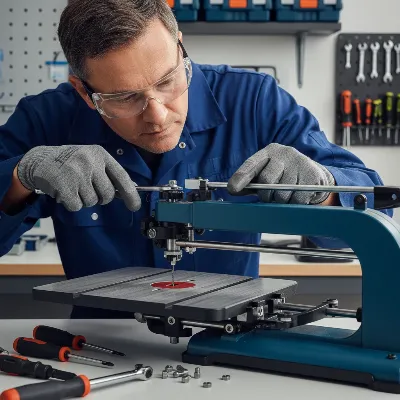 A technician inspecting various components of a scroll saw, checking for loose parts and proper alignment to prevent vibration.
Conclusion: Taming the Buzz for Precise Cuts
Excessive scroll saw vibration is a common challenge, but one that is often fixable with a systematic approach to troubleshooting. While some inherent vibration is normal, problematic shaking can be mitigated by ensuring your saw is securely mounted, optimizing blade tension and installation, tightening all loose components, and addressing any counterweight issues. Beyond these quick fixes, refining your cutting technique and conducting regular maintenance will contribute significantly to a smoother, more enjoyable scrolling experience.
By implementing these strategies, you can transform a noisy, shaky scroll saw into a precision tool that delivers the clean cuts and intricate details you envision. What’s the most challenging vibration issue you’ve faced with your scroll saw, and how did you finally resolve it?
Frequently Asked Questions
Why do new scroll saws sometimes vibrate a lot?
Even new scroll saws can vibrate excessively if not properly set up. Common reasons include loose mounting to a workbench, incorrect blade tension from the factory or initial setup, or even shipping components not fully secured. Always ensure it’s bolted down and the blade tension is checked before use.
Can blade type affect vibration?
Yes, the type and condition of your blade significantly impact vibration. A dull, bent, or incorrectly sized blade for the material can cause the saw to work harder, leading to increased vibration. Always use a sharp blade appropriate for your project’s material and thickness.
Is it okay to use anti-vibration mats?
While some anti-vibration mats might reduce noise, many experts agree that placing them directly between the saw and a sturdy workbench can actually worsen vibration by allowing the saw to “float.” A rigid, direct bolt-down to a heavy surface is generally more effective for dampening vibration.
How often should I check my scroll saw for vibration causes?
It’s a good practice to perform a quick visual inspection and check blade tension before each use. A more thorough check of all fasteners and components for tightness should be part of your routine maintenance, perhaps monthly or after several intensive cutting sessions, depending on usage.
Does forcing the wood cause more vibration?
Absolutely. Forcing the workpiece through the blade too quickly or with too much pressure will strain the blade and the motor, causing the saw to vibrate more intensely. Allow the blade to cut at its own pace with a steady, gentle feed rate for optimal performance and less vibration.
Frequently Asked Questions
Why do new scroll saws sometimes vibrate excessively?
New scroll saws can vibrate excessively due to improper setup, such as loose mounting to a workbench or incorrect blade tension. It's crucial to ensure the saw is securely bolted down and the blade tension is checked according to the manufacturer's guidelines before initial use.
Can the type of blade impact scroll saw vibration levels?
Yes, the blade type and condition significantly affect vibration. A dull, bent, or incorrectly sized blade for the material being cut forces the saw to work harder, leading to increased vibration. Always use a sharp blade appropriate for your project's material and thickness for optimal performance.
Are anti-vibration mats effective for scroll saws?
While some anti-vibration mats may reduce noise, many woodworking experts suggest they can worsen vibration by allowing the saw to 'float' on the surface. A rigid, direct bolt-down to a heavy, sturdy workbench is generally more effective for dampening scroll saw vibration.
How often should I inspect my scroll saw for potential vibration causes?
It is recommended to perform a quick visual inspection and check blade tension before each use. A more thorough check of all fasteners and components for tightness should be part of your routine maintenance, ideally monthly or after several intensive cutting sessions, depending on usage frequency.
Does applying too much force to the wood increase scroll saw vibration?
Yes, forcing the workpiece through the blade too quickly or with excessive pressure will strain both the blade and the motor, causing the scroll saw to vibrate more intensely. Maintain a steady, gentle feed rate, allowing the blade to cut at its own pace for optimal performance and reduced vibration.
Fix Excessive Scroll Saw Vibration
Reduce unwanted scroll saw vibration by following these five quick troubleshooting steps to improve cut quality and user comfort.
Bolt your scroll saw directly to a heavy, stable workbench or stand. This rigid connection helps absorb and dissipate the reciprocating forces, preventing the entire setup from shaking. Avoid using rubber mats directly under the saw, as they can sometimes amplify vibration.
Check your blade tension by plucking it like a guitar string; it should produce a clear, medium-pitched tone. Refer to your saw's manual for specific tensioning instructions. Also, inspect the blade for dullness, bends, or damage, replacing it if necessary to ensure clean cuts and reduce strain.
Systematically examine all accessible bolts, screws, and nuts on your scroll saw, focusing on blade clamps, arms, and motor mounts. Gently snug up any loose fasteners using appropriate tools, being careful not to overtighten. Loose components can rattle and contribute significantly to overall vibration.
Verify that the blade teeth are pointing downwards and that the blade is securely held in both upper and lower clamps without any twisting. Use a small square to confirm the blade is perpendicular to the saw table. Incorrect installation causes erratic movement and amplified shaking.
If your scroll saw model has a counterweight, consult the manual to locate and inspect it. Ensure it is securely attached and moves freely. If your saw lacks an internal counterweight or still vibrates, consider adding external mass like sandbags to the saw's base to dampen residual vibrations.

I appreciate the tips, but I’m still struggling a bit with my blade tension. I followed the advice to optimize it, but I feel like I’m either too loose or too tight, and the vibration persists. Maybe I just need more practice, but it would have been helpful to have a more specific guide on how to ‘ping’ the blade correctly. My saw is still pretty shaky on intricate patterns.
I was having such a hard time with my old scroll saw shaking my entire workbench, especially when I was trying to do really fine cuts. The tip about checking the counterweight was a game-changer for me. I never even thought to look there, but adjusting it made a huge difference. Now my cuts are so much cleaner and I don’t feel like my saw is going to walk off the table.
Great advice! My scroll saw has always had a bit of a wobble, and I just figured it was part of the deal. I tried tightening all the fasteners as suggested, and it really helped reduce the overall vibration. It’s not completely gone, but it’s much more manageable now, especially when I’m working on thicker pieces of wood. Definitely worth the five minutes it took.
Securing my saw better was the simplest fix, and I can’t believe I didn’t think of it sooner. I had it clamped down, but not as tightly as recommended, and adding some rubber matting underneath made a world of difference. The reduction in vibration is incredible, and my scrollwork has improved dramatically. Thanks for these practical solutions!